

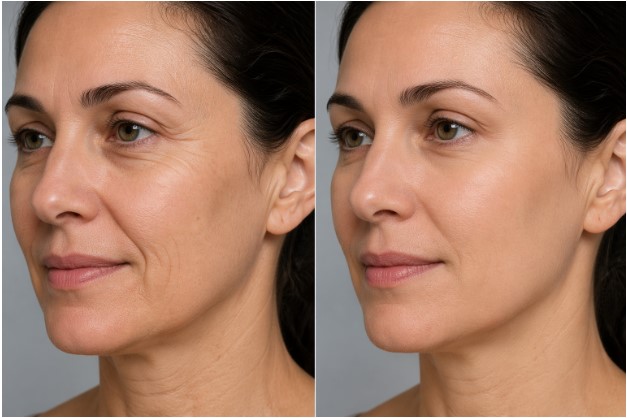
Smile lines are a natural part of aging, but they can become more noticeable over time and affect how refreshed the face looks. These lines, often called laugh lines, form around the mouth and nose due to repeated facial expressions, reduced skin elasticity, and gradual volume loss in the skin. While completely normal, they are something many people choose to address.
This is where smile line reduction comes in, a non-surgical approach designed to soften the appearance of these lines while maintaining natural facial expression. It focuses on subtle, natural-looking improvement rather than changing how the face looks overall.
What Are Smile Lines and Why Do They Form?
Smile lines, also known as nasolabial folds, run from the sides of the nose down toward the corners of the mouth. They become more visible for several reasons:
- Natural aging and collagen loss
- Repeated facial expressions like smiling or talking
- Sun exposure over time
- Loss of facial volume (especially in the mid-face area)
- Genetics and skin type
As skin becomes thinner and less elastic, these folds naturally deepen. While they are not a medical concern, many people look for ways to soften them for cosmetic reasons.
Understanding Smile Line Reduction
Smile line reduction is a general term used for treatments that help minimize the appearance of laugh lines in a subtle and natural-looking way. The most common approach involves dermal fillers, which restore lost volume beneath the skin.
Dermal fillers are gel-like substances that are carefully injected into targeted areas to lift and smooth folds. When done by trained professionals, they can create a refreshed appearance without making the face look “done” or artificial.
This is why Smile Line Reduction is often preferred by individuals who want noticeable but natural improvement. The treatment is typically quick, and most people return to normal activities shortly afterward.
In the middle of the facial rejuvenation process, Smile Line Reduction focuses on restoring mid-face support, which indirectly softens deeper folds around the mouth. This balanced approach ensures results look harmonious rather than overcorrected.
Other Ways to Reduce the Appearance of Lines
While in-clinic treatments can provide faster visible results, skincare and lifestyle habits also play a supporting role.
1. Hydration and Moisturizing
Well-hydrated skin tends to appear smoother and more plump. Using a quality moisturizer helps maintain the skin barrier and reduce dryness that can make lines more visible.
2. Sun Protection
Daily sunscreen is one of the most important steps in preventing premature aging. UV exposure breaks down collagen and accelerates the formation of wrinkles over time.
3. Healthy Diet
Foods rich in antioxidants—such as fruits, vegetables, and healthy fats—support skin health from within. Nutrients like vitamin C and E are especially helpful for maintaining collagen.
4. Sleep and Lifestyle
Poor sleep, stress, and smoking can all contribute to faster skin aging. Good rest and balanced lifestyle choices support healthier-looking skin over time.
What to Expect from Treatment
Non-surgical aesthetic procedures like dermal fillers are usually performed in a clinic setting. A consultation is typically done first to assess facial structure and discuss goals.
The procedure itself is relatively quick, often completed within 30 to 60 minutes. Some mild swelling or bruising may occur, but this usually improves within a few days. Results can be seen almost immediately, with full settling over the following days.
Most importantly, treatments are customized. No two faces are the same, so practitioners adjust technique and product placement to achieve a natural result rather than a uniform effect.
Safety and Considerations
While treatments such as fillers are widely used, they should always be performed by qualified professionals. Proper technique and hygiene are essential to reduce risks and ensure safe outcomes.
Common temporary side effects may include:
- Mild swelling
- Bruising
- Tenderness at injection sites
Serious complications are rare when treatment is performed correctly, but choosing a reputable provider is very important.
Final Thoughts
Smile lines are a natural part of facial expression and aging, but modern aesthetic options make it possible to soften them in subtle and effective ways. Whether through skincare habits or minimally invasive procedures, the goal is not to change your appearance, but to enhance confidence and maintain a refreshed look.
With approaches like Smile line reduction, people now have more control over how they want their skin to look while still preserving natural expression. Combined with good skincare and healthy habits, it is possible to support smoother, more radiant-looking skin over time—without losing what makes your face uniquely yours.
