

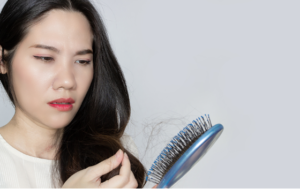
Noticing more strands on your pillow or in the shower drain can be worrying, and many people respond by switching to gentler hair products. Shampoos made with plant extracts and fewer harsh additives can make a difference to scalp comfort, but they are not designed to treat every cause of thinning. Knowing what a natural shampoo for hair loss can and cannot do helps you decide whether a change in routine is likely to be sufficient, or whether it is time to have your hair and scalp assessed by a professional.
When Natural Shampoo May Be Enough
Some shedding is a normal part of the hair growth cycle, and a change of shampoo can help where the scalp itself is the main concern. A gentler product may be sufficient in situations like these:
- Shedding that stays within a typical daily range and does not leave visible thinning.
- Dryness, itching or tightness that appears after using products with strong detergents or fragrance.
- Mild flaking linked to product build-up rather than a skin condition.
- Breakage at the ends caused by heat styling, colouring or frequent washing.
- Temporary shedding after a short period of stress, a fever or a change in routine, which often settles on its own within a few months.
When to Consider Hair Fall Treatment
Shampoo works on the surface of the scalp and hair, so it has limited influence on causes that start inside the body or at the follicle. It may be time to look beyond your routine if you notice signs such as these:
- A widening parting, receding hairline or thinning crown.
- Hair coming out in clumps or leaving round, smooth bald patches.
- Shedding that continues for more than a few months without improvement.
- Redness, pain, pus or scaling on the scalp that does not settle.
- Hair loss alongside other symptoms, such as tiredness, weight change or irregular periods.
- A family history of pattern hair loss with early signs appearing.
Comparing the Two Approaches
Remember, before booking hair fall treatment in Singapore, it helps to understand how the two options differ in practice. The table below sets out some of the main differences:
| Factor | Natural Shampoo | Hair Fall Treatment |
| Who decides | You choose the product yourself | A doctor or trained practitioner recommends a plan |
| Assessment | None before use | Scalp examination, and sometimes blood tests or a scalp sample |
| What it targets | Cleansing and scalp comfort | The underlying cause, such as hormones, deficiencies or inflammation |
| Time frame | Changes in scalp feel within weeks | Several months before regrowth can usually be judged |
| Possible options | Over-the-counter products | Topical or oral medicines, light therapy, injections or procedures |
Reading the Signals From Your Scalp
Keeping track of changes over time can make it easier to decide on the next step and to explain your concerns during a consultation. Simple records to keep include the following:
- Photos of your parting and crown taken in the same lighting every few weeks.
- Notes on when shedding started and any events around that time, such as illness, childbirth or new medication.
- A list of hair products, treatments and styling habits you use regularly.
- Any changes in diet, sleep or stress levels.
- How much hair you see after washing or brushing, noted on the same days each week.
Making the Call
Natural shampoos can play a part in a gentle hair care routine, particularly when the concern is scalp comfort or product irritation. However, ongoing shedding, visible thinning or patchy loss usually calls for a professional assessment, since these signs can point to causes that shampoo alone cannot address. If you are unsure, speaking with a doctor or dermatologist can help clarify what is behind the change and which options suit your situation.
Seeing more hair in the drain than usual? Visit Bio Organicare and let us help you refresh your locks.